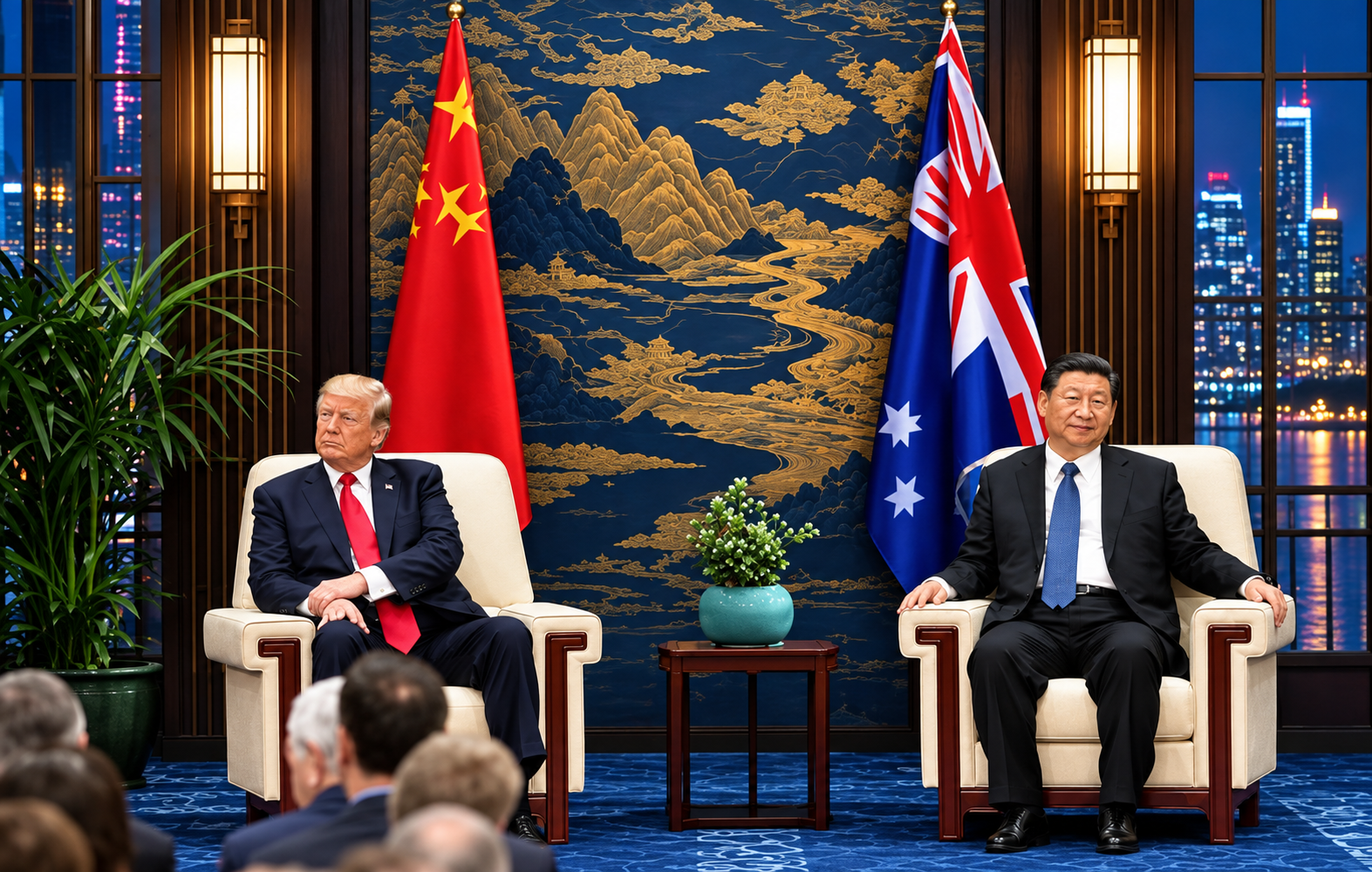
US President Donald Trump is set to host Chinese President Xi Jinping at the White House on September 24, in what will be their second in-person meeting this year and Xi's first state visit to Washington in more than a decade. The summit, coming just months after Trump's own visit to Beijing in May, is being billed by officials on both sides not as a moment for sweeping breakthroughs but as an attempt to hold together a trade détente that remains fragile heading into the year's final months.
A Rare Red-Carpet Welcome
The protocol around the visit signals how much weight the White House is placing on it. Trump is expected to personally greet Xi when his plane lands at Joint Base Andrews outside Washington — an unusual gesture, since American presidents typically receive visiting leaders only at the White House itself. The formal arrival ceremony will be held indoors on the State Floor of the White House, followed by a troop review in the Rose Garden and a state dinner in the East Room. Xi will travel with his wife, Peng Liyuan, who last accompanied him to the United States for a state visit in 2015, during the Obama administration.
The guest list for the state dinner underlines the economic undertone of the visit: American technology chief executives, including Amazon's Jeff Bezos, OpenAI's Sam Altman, Apple's Tim Cook, Tesla's Elon Musk, Nvidia's Jensen Huang and Dell's Michael Dell, are among those expected to attend.
The Agenda
Analysts have described the meeting as the summit of “the three Ts” — Taiwan, technology and trade, few expect a major breakthrough on any of them. China's suspension of rare-earth export controls, a key point of leverage in the relationship, is due to expire on November 10, and the broader tariff truce struck at last year's Busan summit lapses in November as well. That timeline puts both governments under pressure to agree on an extension before the window closes.
Taiwan remains one of the most sensitive items on the table. A roughly $14 billion American arms package for the island is awaiting final approval, and Xi is expected to press Trump to shelve the sale. Artificial intelligence and critical minerals are also likely to feature prominently, alongside the fallout from the US role in the Iran conflict, with Washington's Treasury Secretary having separately outlined plans to target Iran's financial “enablers” with sanctions ahead of the talks.
Despite the long list of unresolved disputes, both leaders have continued to strike a cordial public tone. Trump said ahead of the visit that he and Xi “get along very well” and that several deals were likely to emerge from the talks, while officials on both sides have signalled they want to avoid any rupture that could unwind the current trade truce.
Why New Delhi Is Watching Closely
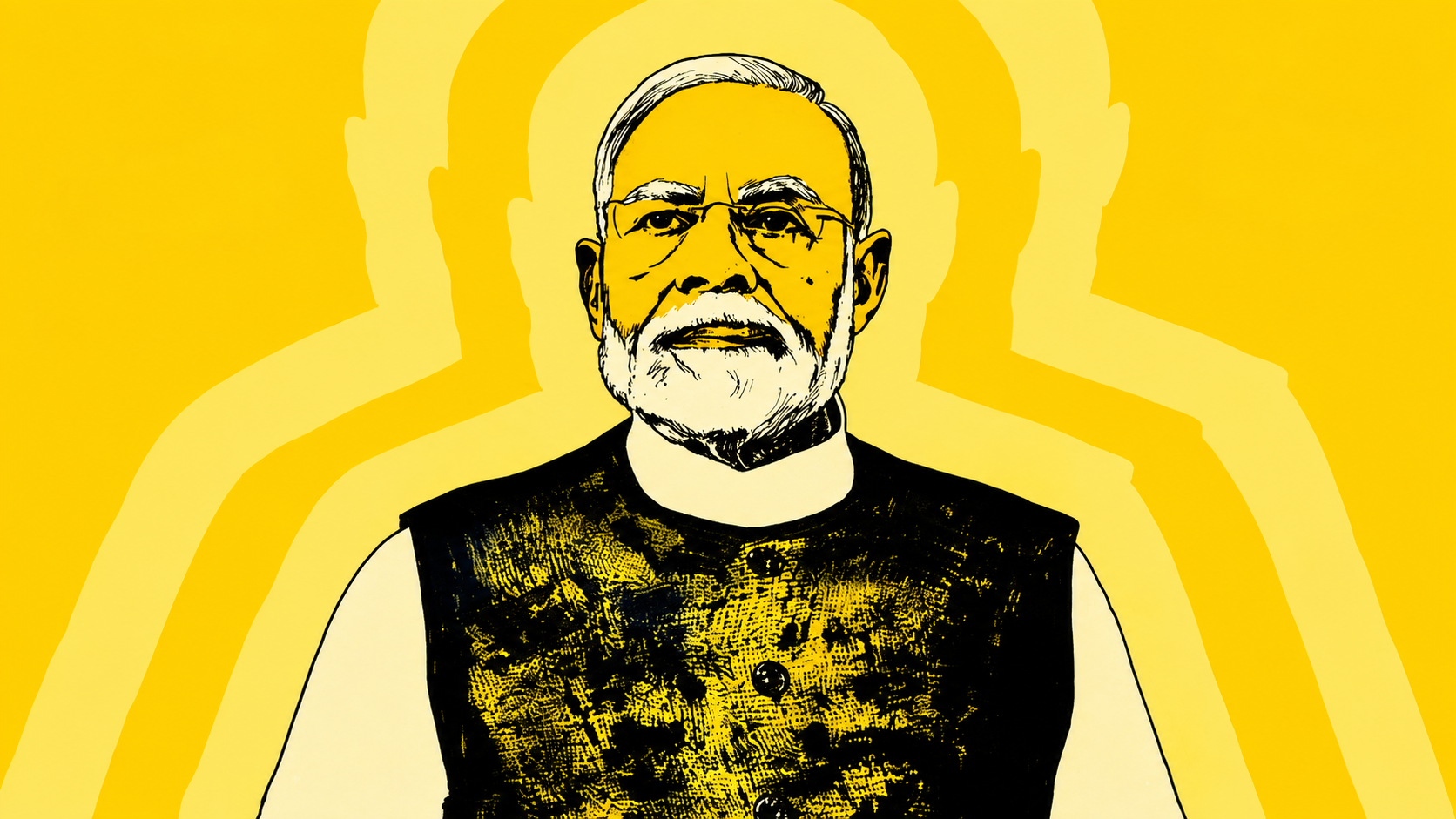
The Washington summit follows closely on the heels of the BRICS summit hosted by India in New Delhi on September 12, where Prime Minister Narendra Modi held a bilateral meeting with Xi on the sidelines. That meeting, coming less than two weeks before the Trump-Xi talks, was read by observers as a signal from both India and China that they intend to manage their own long-running border and trade tensions independently of how Washington's relationship with Beijing evolves.
The backdrop makes the timing significant for India. With US-India trade relations having gone through a rough patch this year over tariffs, and with China continuing to court New Delhi diplomatically, the outcome of the Trump-Xi summit ,whether it produces a genuine stabilisation or merely papers over deeper disagreements will factor into how India calibrates its own balancing act between Washington and Beijing in the months ahead.
Compiled from Hindustan Times reporting and other wire coverage of the run-up to the Trump-Xi summit.